Three nights at Kaisei Hotel Ibaraki-machi
Arrive the first evening, spend two full days on the Oarai family route and either Mito or Kasama, then rest on the third night before departing the next morning.

Things to do nearby
Start with the kind of day you want: a coastal drive, a hot spring, a quiet town, a mountain view, or a market filled with local food. Our routes help you shape stays of 2 nights, 3 nights, or 5 nights and longer.
Each KAISEI stay gives you a different way to experience Ibaraki at your own pace, with practical routes that make it easier to stay a little longer.
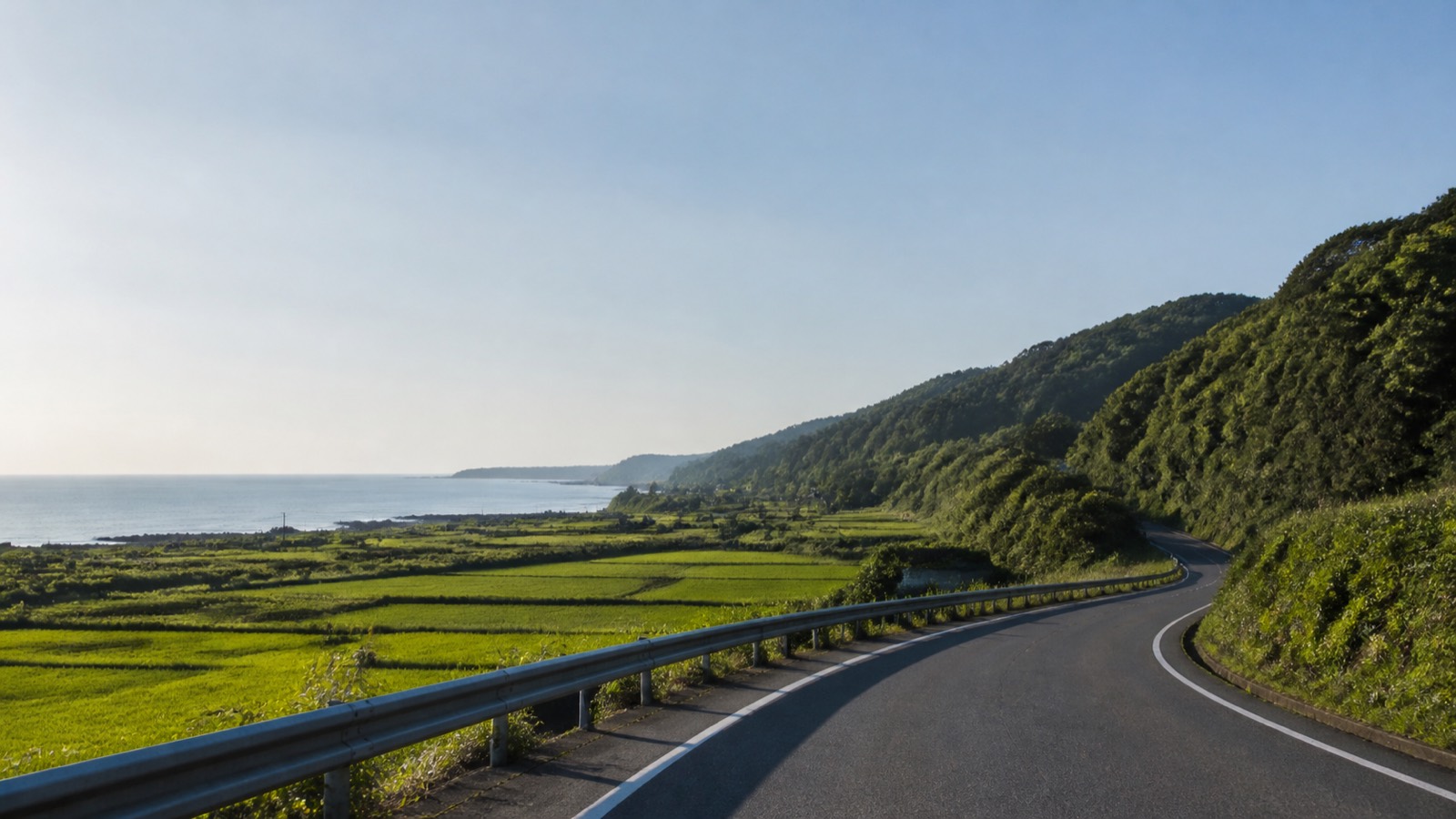
Start with the kind of trip you want to experience
Each of the three properties opens a different side of Ibaraki. Choose a base around your travel companions and interests, then plan each day around the weather and season.
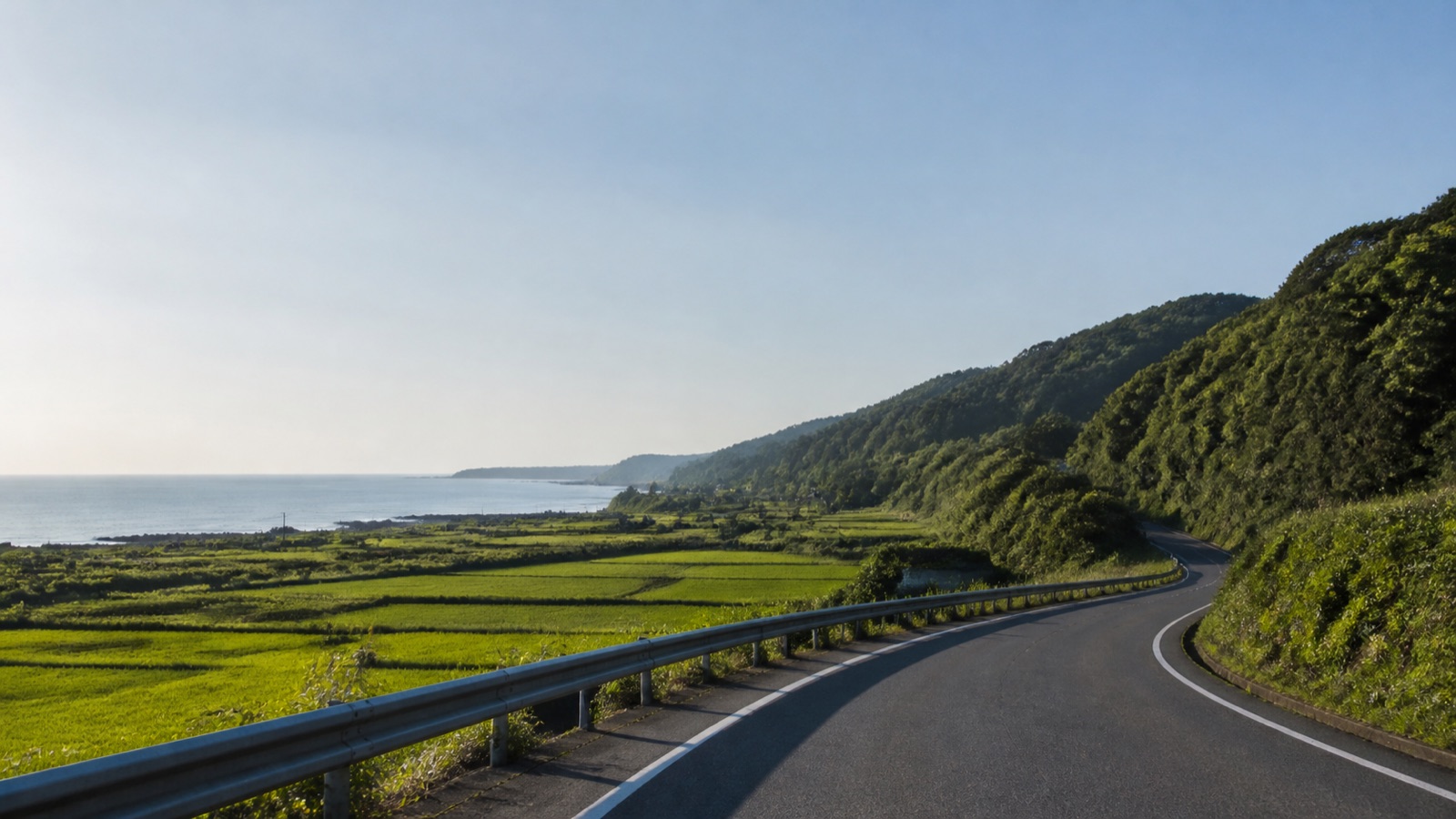
Lake Hinuma, Oarai Aquarium, seafood, hot springs, Mito, and Kasama crafts. A strong first Ibaraki itinerary for families and couples.
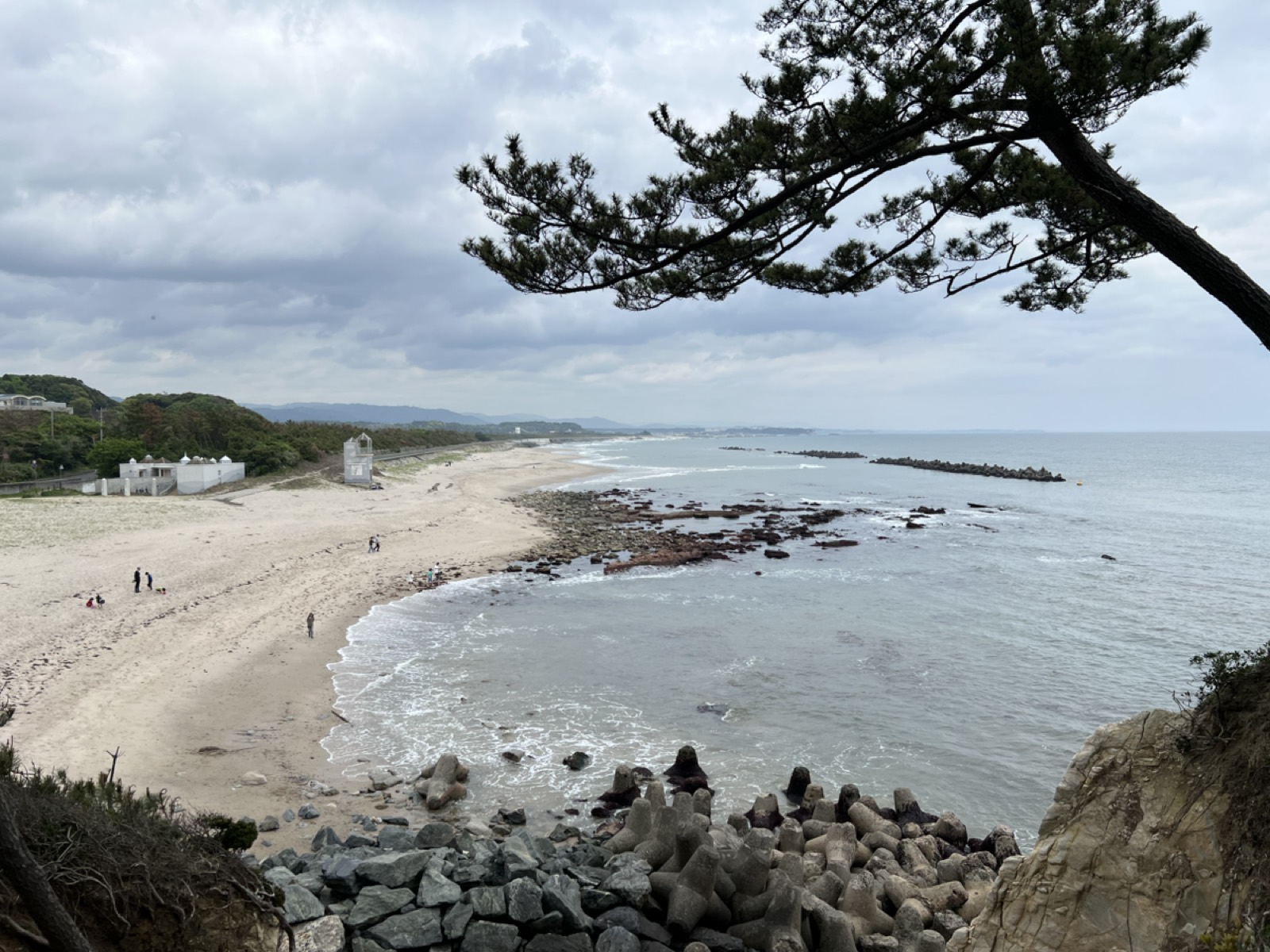
Morning walks by the sea, Unomisaki, Urara-no-Yu, Kamine Zoo, and Hitachi seafood. Ideal for a slower coastal stay.
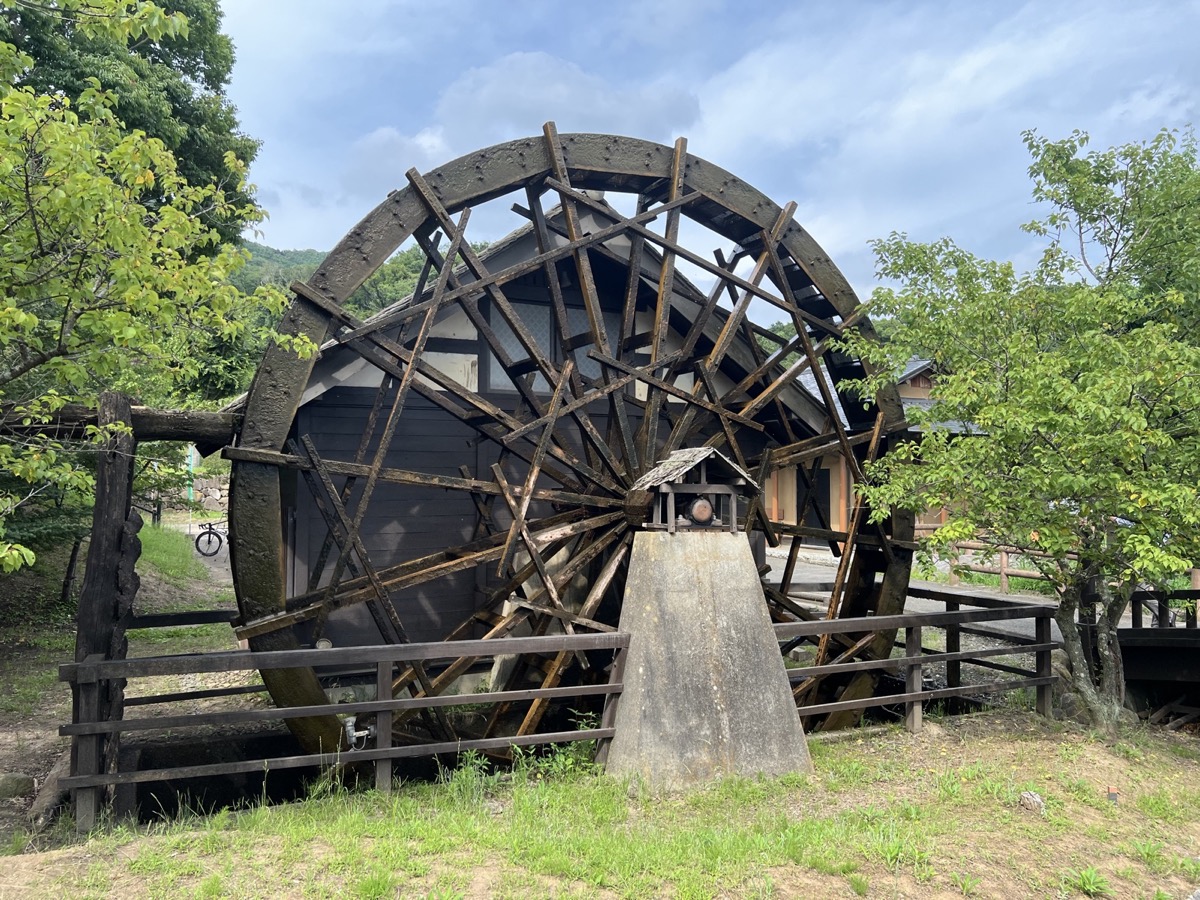
Mt. Tsukuba, the Komachi legend, Hitachi Aki Soba, paragliding, Ibaraki Flower Park, and garden produce. Well suited to longer family stays.
Quick match
Arrive the first evening, spend two full days on the Oarai family route and either Mito or Kasama, then rest on the third night before departing the next morning.
Split the coast, hot spring, zoo, and seafood across two full sightseeing days to reduce long drives.
Use one full day for Mt. Tsukuba and another for Komachi-no-Yakata and Ibaraki Flower Park. Add another night if you want to try paragliding or simply slow down.
Kaisei Hotel Ibaraki-machi | Three-night, two-day road-trip itinerary
Designed for families and couples visiting Ibaraki by car for the first time. The route uses Kaisei Hotel Ibaraki-machi as its base. Driving times are planning estimates under normal conditions and may increase significantly on holidays and during flower seasons.
After checking in and parking, pick up breakfast, sashimi, prepared foods, and drinks at a nearby farm shop or supermarket. After a long drive, keep the evening local and confirm the next day's weather and opening information.
Visit the aquarium in the morning and choose a recommended seafood restaurant for lunch. In the afternoon, choose a coastal walk, Oarai Isosaki Shrine, or Shiosai-no-Yu based on the weather. Prioritize the aquarium and hot spring when traveling with young children or during rain or extreme heat.
Choose dinner from a recommended restaurant or pick up food at a supermarket. Never drive after drinking or when tired after a hot spring.
Take an easy lakeside walk in the morning. In the afternoon, choose either Mito's gardens and city culture or Kasama's pottery, cafes, and chestnut desserts. Keeping to one route prevents a rushed day.
Organize local purchases and luggage. Departure day is not counted as one of the two full sightseeing days; add breakfast or a short walk only if your return schedule allows.
Kaisei Hotel Ishihama Coast | Three-night, two-day road-trip itinerary
This route is built around short distances and low fatigue. Swim only during the official beach season and supervised hours. In other seasons, focus on coastal walks, pine groves, viewpoints, and hot springs.
If weather and daylight allow, spend 30-60 minutes getting oriented at Ishihama Coast and Unomisaki. Visit Urara-no-Yu Juo in the evening if you wish. Stay away from rocky or unlit areas during strong winds, heavy rain, or after dark.
Enjoy the coastline and pine groves in the morning, then choose a recommended restaurant for lunch. Visit Kamine Zoo in the afternoon and dine in central Hitachi on the return trip. Check closure dates and final admission times before leaving.
Avoid long drives in the evening. If you skipped the hot spring on arrival night, move it to this evening after checking current hours.
Visit the roadside market for lunch or shopping around midday. In the afternoon, choose central Hitachi, a cafe, or a hot spring based on the weather. Bring an insulated bag for fresh seafood and refrigerate purchases promptly.
If conditions are safe, enjoy the coast again the next morning, but leave enough time for checkout and your return drive.
Skip rocky shorelines, swimming, and long walks. Choose a hot spring, dining in central Hitachi, and local shopping instead. Do not treat coastal sightseeing as mandatory during strong winds or heavy rain.
Kaisei Stay Tojoji | Three-night, two-day road-trip itinerary
Tojoji is not designed for rushing through a checklist. Plan one main destination each day and leave time for the garden, cooking, local shopping, and quiet rest.
Get familiar with the tatami rooms, kitchen, garden, and house rules. When produce is ripe, guests may harvest garden fruits and vegetables by following the on-site guidance. After a long drive, keep the evening local.
Choose hiking, the shrine, cable car, or ropeway based on your energy level; there is no need to do everything. Leave early during fall foliage, plum blossom season, and holidays, and allow time for parking and lines.
Leave time to cook, enjoy the garden, and rest quietly. Make Tojoji part of the experience, not simply a place to sleep.
Learn about the Ono no Komachi legend, waterwheel, and local produce in the morning, then choose a recommended soba lunch. Spend the afternoon with seasonal flowers, a cafe, or a family activity. Hours and experience reservations change with the season.
Pears, lotus root, peanuts, chestnuts, and other produce are seasonal. Paragliding is best added as an extra-day activity and is subject to weather, wind, age, weight, insurance, and availability limits.
Choosing a season
Kairakuen in Mito, Mt. Tsukuba, Ibaraki Flower Park, and the town of Kasama. Morning and evening temperatures can differ sharply, so bring a layer for mountain routes.
Lake Hinuma Nature Park, Ishihama Coast, and summer events at Ibaraki Flower Park. Swim only during official beach hours, and plan around heat and thunderstorms.
Kasama chestnuts, Hitachi Aki Soba, fall foliage on Mt. Tsukuba, and autumn flowers at Ibaraki Flower Park. Weekend traffic can be heavy, so leave early.
Winter seafood in Oarai, day-use hot springs, coastal photography, and illumination events. Check for icy mountain roads, strong winds, and winter operating hours before departure.
Before traveling to Japan
Most public hot springs are entered without a swimsuit, and towels do not go into the bathwater. Rules for tattoos, children, towel rentals, and mixed-bathing age limits vary by facility; always check current rules.
Confirm driving eligibility, ETC use, parking, and winter tires in advance. Never drive after drinking. If you feel tired or lightheaded after a hot spring, delay your departure.
Local restaurants may close between meal periods, sell out early, or accept reservations only by phone in Japanese. KAISEI can help with information, but hours, menus, and seating must be confirmed by the restaurant.
How to read route information
Driving times on this site are planning estimates under normal conditions, not arrival guarantees. Flower seasons, weekends, holidays, weather, and roadwork can all add time.
We distinguish between families, couples, older travelers, rainy-day options, and physical demands, and provide suggested visit lengths so overseas visitors can make an informed choice beyond the photos.
Hours, admission fees, closure dates, reservations, parking, eligibility requirements, and sea conditions may change. This site links to official sources; the facility's latest information is final.